


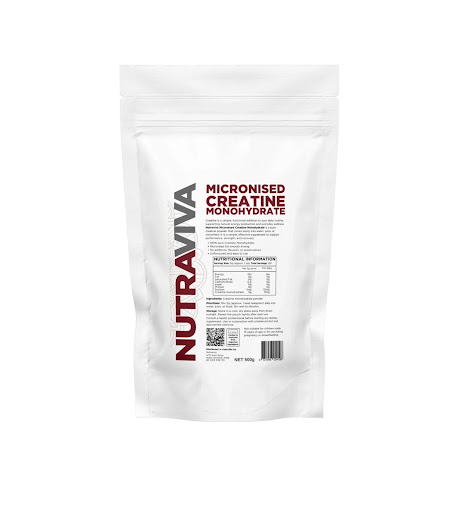
Creatine monohydrate is one of the most researched and effective supplements in the world of fitness, strength training, and athletic performance. Widely recognized for its ability to enhance power output, muscle growth, and recovery, it has become a staple for athletes and recreational lifters alike.
This article breaks down what creatine monohydrate is, how it works, its benefits, safety profile, and recommended usage.
What Is Creatine Monohydrate?
Creatine monohydrate is a naturally occurring compound made up of three amino acids: arginine, glycine, and methionine. The body stores creatine in the muscles as phosphocreatine, which helps produce ATP (adenosine triphosphate)—the primary energy source for short bursts of high-intensity activity.
You can obtain small amounts from foods like red meat and fish, but supplementation significantly increases stored creatine levels.
How Creatine Works
Creatine helps regenerate ATP more quickly during short, intense periods of exertion. This means you can:
- Lift heavier weights
- Perform more reps
- Sprint faster
- Recover quicker between sets
Over time, these effects lead to greater strength and muscle gains.
Key Benefits of Creatine Monohydrate
1. Increased Strength and Power
Creatine is the most effective supplement for improving power output. Research consistently shows significant improvements in strength, especially during resistance training.
2. Enhanced Muscle Growth
By allowing more training volume and drawing water into muscle cells (cell volumization), creatine supports muscle hypertrophy.
3. Better Performance in High-Intensity Exercise
Creatine boosts performance in activities such as weightlifting, sprinting, HIIT, and team sports requiring explosive effort.
4. Improved Recovery
It helps reduce muscle fatigue and may decrease inflammation after intense training.
5. Cognitive Benefits
Emerging evidence suggests creatine may support brain energy metabolism, potentially improving memory, mental clarity, and resistance to fatigue—especially during sleep deprivation.
6. Safe and Effective for Long-Term Use
Hundreds of studies show creatine monohydrate is safe for healthy individuals when taken at recommended dosages.
Who Should Take Creatine?
Creatine is beneficial for:
- Weightlifters and bodybuilders
- Sprinters and athletes in explosive sports
- People doing HIIT
- Older adults looking to maintain muscle mass
- Anyone seeking cognitive enhancement or improved energy
Vegetarians and vegans may benefit even more due to lower dietary creatine intake.
Conclusion
Creatine monohydrate is one of the safest, most effective, and most affordable supplements for improving strength, muscle growth, and overall athletic performance. Whether you’re a seasoned athlete or just starting your fitness journey, creatine can be a powerful tool in helping you reach your goals.