


Climate change has become one of the most pressing challenges for agriculture worldwide. Unpredictable weather patterns, rising temperatures, and extreme events such as droughts and floods threaten crop yields and food security. To address these challenges, farmers and agricultural experts are turning to innovative solutions that not only boost productivity but also enhance resilience. Smart Agriculture Strategies for Climate-Resilient Farming are emerging as crucial tools in this endeavor.
Understanding Climate-Resilient Farming
Climate-resilient farming focuses on techniques and practices that allow agricultural systems to adapt to changing climate conditions while minimizing losses. This approach emphasizes sustainability, resource efficiency, and risk management. By implementing climate-smart solutions, farmers can safeguard their crops, reduce vulnerability to environmental shocks, and maintain long-term productivity.
Key Smart Agriculture Strategies
1. Precision Farming
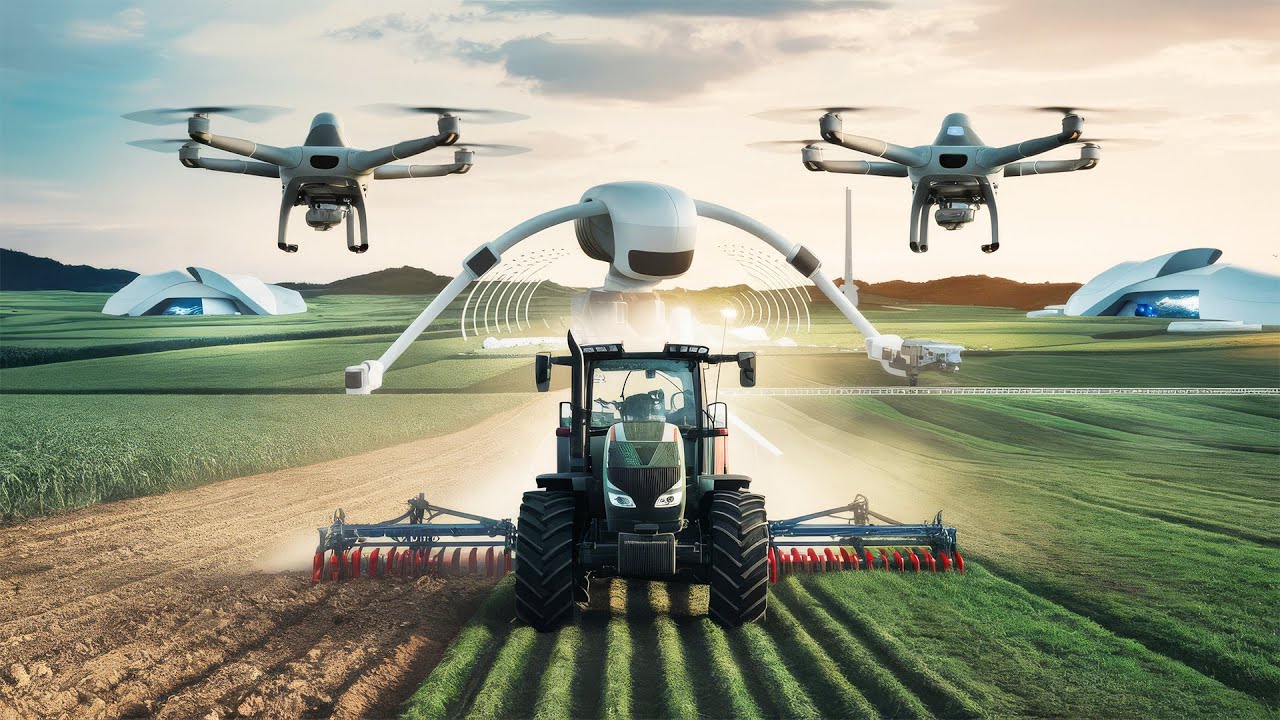
Precision farming uses technologies such as GPS, drones, and IoT sensors to monitor soil health, crop growth, and water usage. This enables farmers to make data-driven decisions, optimize resource allocation, and minimize waste. For example, sensor-based irrigation ensures crops receive the exact amount of water needed, reducing stress during drought conditions and promoting climate resilience.
2. Crop Diversification and Rotation
Diversifying crops and practicing rotation helps improve soil fertility and reduces the risk of pest infestations. Planting a variety of crops ensures that if one crop fails due to adverse weather, others can still thrive. This strategy is a cornerstone of smart agriculture strategies for climate-resilient farming, promoting stability and sustainability in the face of climate variability.
3. Sustainable Soil Management
Healthy soils are critical for climate resilience. Techniques such as cover cropping, mulching, and organic amendments enhance soil structure, water retention, and nutrient availability. These practices mitigate the impact of extreme weather events, ensuring crops remain productive under challenging conditions.
4. Climate-Responsive Crop Varieties
Advances in agricultural research have led to the development of crop varieties that can withstand drought, heat, and flooding. By planting these resilient varieties, farmers can maintain yields even when facing unpredictable climatic stresses, making them an essential component of smart agriculture strategies for climate-resilient farming.
Leveraging Technology for Resilience
Digital tools and mobile applications now allow farmers to access weather forecasts, pest alerts, and market information in real time. Artificial intelligence (AI) and big data analytics help predict crop performance under different climate scenarios, allowing for proactive management. Integrating these technologies ensures that agriculture remains adaptive and resilient in an era of climate uncertainty.
Conclusion
Implementing smart agriculture strategies for climate-resilient farming is no longer optional; it is a necessity. By combining technology, sustainable practices, and climate-responsive solutions, farmers can protect their livelihoods, improve productivity, and contribute to global food security. As climate challenges intensify, embracing these strategies will determine the future success and sustainability of agriculture worldwide.