


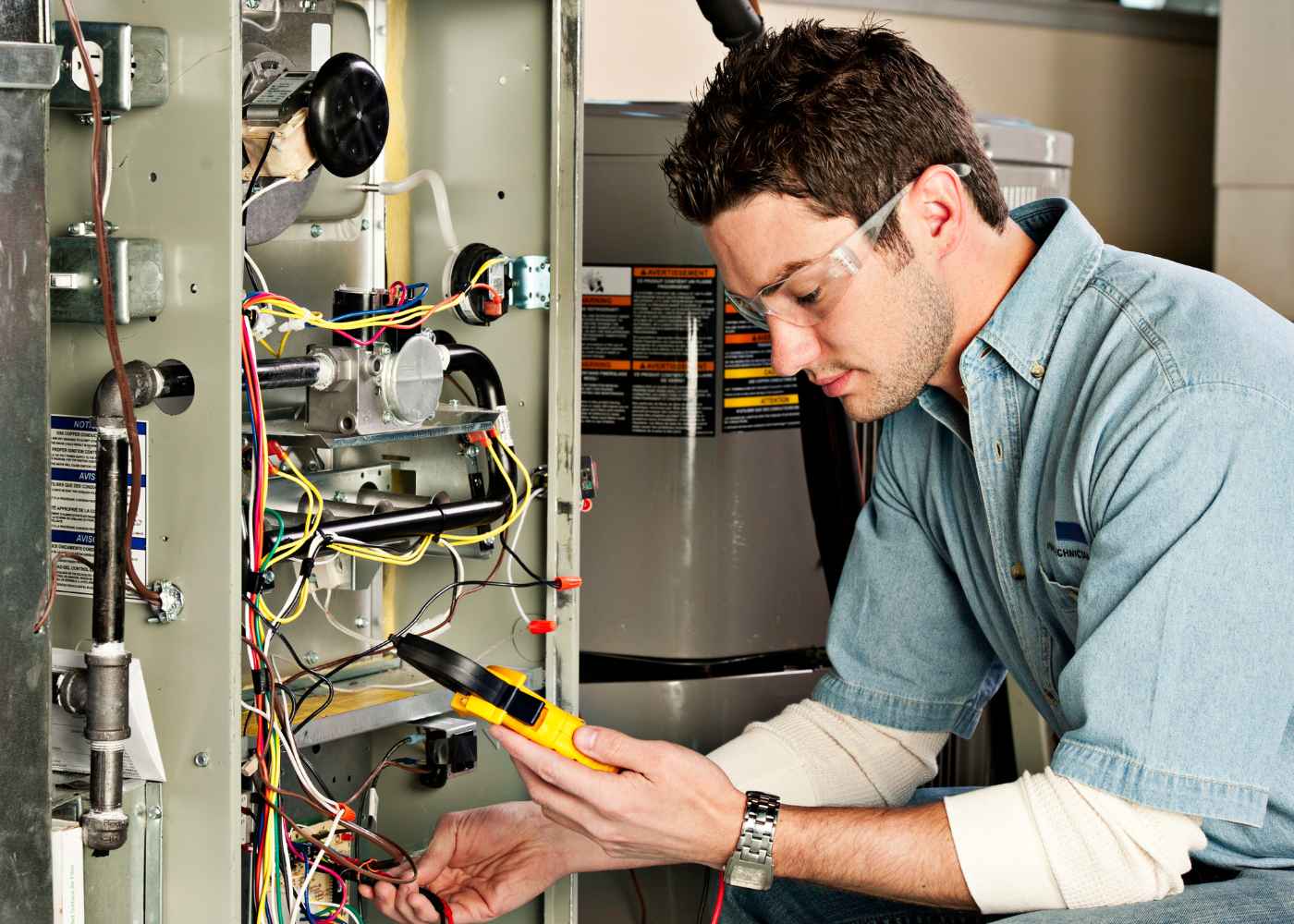
Furnace malfunctions create immediate heating needs demanding rapid solutions, with homeowners understandably prioritizing quick restoration over diagnostic thoroughness when cold homes create discomfort that urgent repairs seem to require, regardless of whether initial interventions address actual problems or simply treat symptoms while underlying causes remain unresolved.
This rush to repair without proper diagnosis frequently results in unnecessary part replacements, recurring failures, and escalating repair costs that accurate problem identification would have prevented through targeted interventions addressing root causes rather than superficial symptoms that multiple components might create.
Understanding why accurate furnace diagnosis matters for repairs reveals how systematic troubleshooting, comprehensive testing, and experienced technical judgment collectively determine whether repairs actually resolve problems or simply provide temporary relief that recurrent failures eventually prove inadequate when proper diagnosis would have identified different issues requiring alternative solutions.
Avoiding Unnecessary Part Replacement and Wasted Expenses
Furnace symptoms, including inadequate heat, intermittent operation, or complete failures, can result from numerous potential causes spanning thermostats, limit switches, gas valves, igniters, blower motors, control boards, or ductwork restrictions that create similar symptoms despite different underlying problems. Inexperienced or impatient technicians sometimes replace parts based on symptoms alone without a systematic diagnosis confirming that the suspected components actually cause the problems observed.
This shotgun approach to repairs wastes money through replacing functional parts that symptoms suggested, but testing would have cleared, with homeowners paying for unnecessary components while actual problems remain unaddressed, creating continued failures after expensive but misdirected repairs. The wasted expense proves particularly frustrating when subsequent diagnosis reveals simple, inexpensive issues that proper initial troubleshooting would have identified before costly, unnecessary replacements occurred.
Accurate diagnosis through systematic testing, voltage measurements, continuity checks, and operational verification identifies actual failed components rather than guessing based on symptoms that multiple causes might create, ensuring repair investments address genuine problems rather than perceived issues that assumptions rather than evidence suggested.
Identifying Underlying Causes Rather Than Treating Symptoms
Some furnace problems represent symptoms of underlying issues rather than component failures themselves, with limit switch tripping potentially indicating dirty filters restricting airflow rather than switch defects, igniter failures possibly resulting from voltage problems rather than igniter degradation, or blower issues stemming from ductwork restrictions rather than motor problems. Replacing symptomatic components without addressing root causes creates recurring failures when new parts experience identical conditions that the originals couldn’t tolerate.
Comprehensive diagnosis investigates why components fail rather than simply replacing them, identifying airflow restrictions, electrical problems, improper installations, or maintenance neglect that causes actual component damage. This root cause analysis prevents repeat failures through correcting conditions that the original problems created, rather than perpetuating cycles where replacements fail repeatedly until underlying causes are finally addressed.
The diagnostic investigation also considers system interactions where multiple minor issues combine, creating problems that individual component testing might not reveal, with comprehensive evaluation recognizing patterns that isolated testing overlooks when technicians examine components independently without considering collective effects.
Preventing Cascading Failures and Additional Damage
Some furnace problems, when left undiagnosed, create secondary damage to additional components, with heat exchanger cracks potentially resulting from prolonged overheating that limit switch failures allowed, blower motor burnout resulting from capacitor degradation that diagnosis would have identified preventively, or control board damage from voltage irregularities that electrical testing would have detected before expensive failures occurred.
Accurate diagnosis identifies developing problems before cascading failures create additional damage that preventive intervention would have avoided through addressing issues while still minor, rather than waiting until multiple components fail, requiring extensive repairs that early diagnosis would have prevented through targeted, simple interventions.
Ensuring Repairs Actually Resolve Problems
Perhaps most fundamentally, accurate diagnosis ensures that repairs actually resolve problems rather than providing temporary improvements that underlying issues eventually overwhelm when initial interventions prove inadequate. Homeowners deserve confidence that repair investments solve problems definitively rather than creating temporary relief that recurrent failures eventually prove insufficient when proper diagnosis would have identified comprehensive solutions.
When selecting furnace repair services, choosing established contractors like Airco ensures systematic diagnosis, experienced troubleshooting, and accurate problem identification that effective repairs depend upon.
Accurate furnace diagnosis matters fundamentally for repairs through preventing unnecessary expenses, identifying root causes, avoiding cascading failures, and ensuring that interventions actually resolve problems rather than simply treating symptoms that persist when inadequate diagnosis misidentifies issues requiring different solutions.