


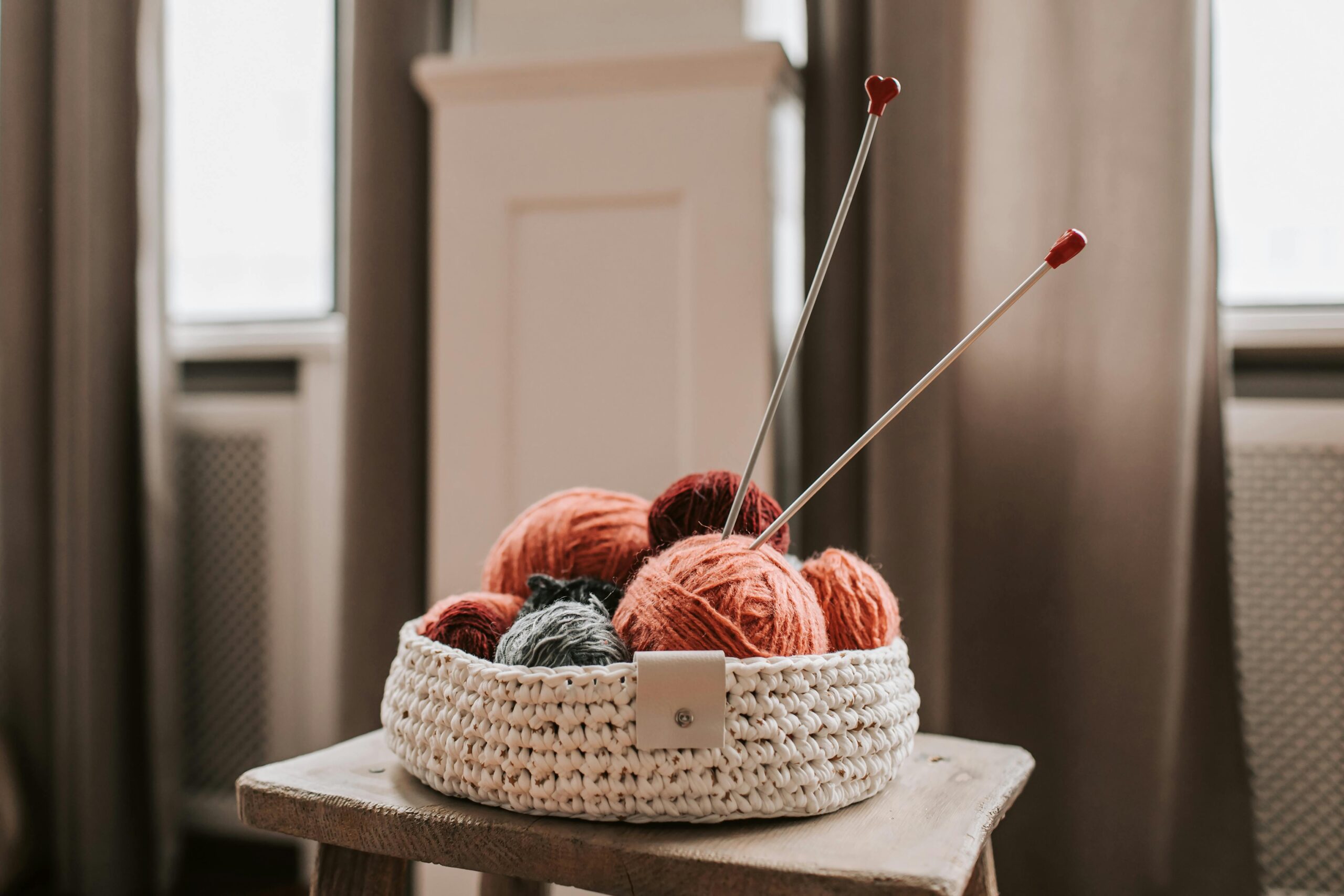
Knitting is a craft that relies heavily on precision, comfort, and consistency. While skill and patience play a big role, the tools you use can significantly influence your experience and results. Good knitting accessories can make projects smoother, reduce frustration, and even improve the quality of your finished work. On the other hand, poorly made tools can slow you down, strain your hands, and affect your overall enjoyment of the craft.
Knowing how to distinguish high-quality knitting accessories from average ones helps you invest wisely and build a reliable toolkit over time.
Understanding the Role of Quality in Knitting Tools
Knitting accessories include a wide range of items such as needles, stitch markers, measuring tools, yarn organizers, and storage cases. Each of these plays a specific role in supporting your work.
Quality matters because these tools are used repeatedly and often for long periods. A well-made accessory feels comfortable, performs consistently, and lasts longer. Poor-quality tools may break easily, cause uneven stitches, or create unnecessary strain on your hands.
Recognizing the importance of quality is the first step in choosing the right accessories.
Evaluating Material and Build Quality
One of the clearest indicators of a good knitting accessory is the material it is made from. High-quality tools are often made from durable materials such as polished wood, smooth metal, or strong, flexible plastics.
For example, knitting needles should feel smooth when yarn slides across them. Rough or uneven surfaces can snag yarn and interrupt your flow. Similarly, stitch markers should be sturdy enough to hold their shape without damaging the yarn.
A well-constructed accessory feels solid and reliable in your hands, even during extended use.
Checking Comfort and Ergonomics
Knitting can involve long hours of repetitive motion, so comfort is essential. Good accessories are designed with ergonomics in mind, meaning they reduce strain on your hands and wrists.
Needles with comfortable grips, lightweight materials, and balanced weight distribution make a noticeable difference during use. Even small tools like scissors or row counters should be easy to handle without causing discomfort.
If an accessory feels awkward or tiring to use, it may not be suitable for long-term knitting projects.
Assessing Smoothness and Performance
Performance is another important factor when distinguishing good knitting accessories. Tools should work seamlessly with yarn without causing interruptions.
Needles, for example, should allow yarn to glide smoothly without catching or splitting fibers. Measuring tools should provide clear and accurate readings, while stitch holders should function reliably without slipping.
Consistent performance ensures that your knitting process remains steady and enjoyable.
Looking at Durability and Longevity
A good knitting accessory should be able to withstand regular use over time. Durability is especially important for tools that are handled frequently, such as needles and scissors.
High-quality accessories maintain their shape, finish, and functionality even after extended use. They do not easily bend, chip, or wear down.
Investing in durable tools may cost more initially, but it often saves money in the long run because replacements are needed less frequently.
Considering Design and Practicality
Design is not just about appearance—it also affects how practical a tool is. Well-designed knitting accessories are intuitive and easy to use.
For example, stitch markers should open and close smoothly, while yarn organizers should keep materials neatly arranged without tangling. Even small details like labeling or color coding can improve usability.
Practical design helps streamline your knitting process and reduces unnecessary interruptions.
Testing Compatibility with Different Yarns
Not all knitting accessories work equally well with every type of yarn. A good tool should be versatile enough to handle different textures, thicknesses, and fiber types.
For instance, smooth metal needles may work well with fine yarns, while wooden needles may provide better grip for slippery fibers.
Testing how accessories perform with various yarns helps ensure flexibility in your projects.
In some crafting communities, brands like Premier Yarns are often referenced when discussing yarn compatibility and how tools interact with different materials, highlighting the importance of matching accessories with yarn type.
Observing Attention to Detail
High-quality knitting accessories often show careful attention to detail. This can include smooth finishes, precise measurements, and well-crafted joints or connections.
Small details may seem minor, but they can significantly affect how the tool performs. For example, a slightly uneven needle tip can disrupt stitching, while a poorly aligned stitch marker can cause frustration.
Attention to detail is often a strong indicator of overall quality.
Evaluating Ease of Storage and Organization
Good knitting accessories are not only functional but also easy to store and organize. Many high-quality tools come with thoughtful storage solutions that keep items accessible and protected.
Organized tools make it easier to start and continue projects without searching for missing pieces. This contributes to a more efficient and enjoyable knitting experience.
Practical storage design also helps extend the life of your accessories by keeping them in good condition.
Recognizing Consistency Across Products
When building a knitting toolkit, consistency matters. Accessories from the same quality level tend to work well together and create a smoother overall experience.
Consistency in size, design, and performance helps avoid mismatched tools that can disrupt your workflow.
A cohesive set of accessories allows you to focus more on creativity and less on adjusting to different tools.
Trusting Experience and User Feedback
Another helpful way to distinguish good knitting accessories is by paying attention to user experiences. Knitting communities often share feedback about what works well and what does not.
While personal preference plays a role, consistent positive feedback can indicate reliable quality.
Combining personal testing with community insights can help you make more informed decisions.
Conclusion: Choosing Tools That Support Your Craft
Distinguishing good knitting accessories is about more than just appearance. It involves evaluating comfort, durability, performance, and design to ensure that each tool supports your creative process.
High-quality accessories make knitting more enjoyable, efficient, and rewarding. They reduce frustration, improve results, and allow you to focus on creativity rather than limitations.
In the end, choosing the right tools is an investment in your craft—one that enhances every stitch, every project, and every moment spent knitting.