


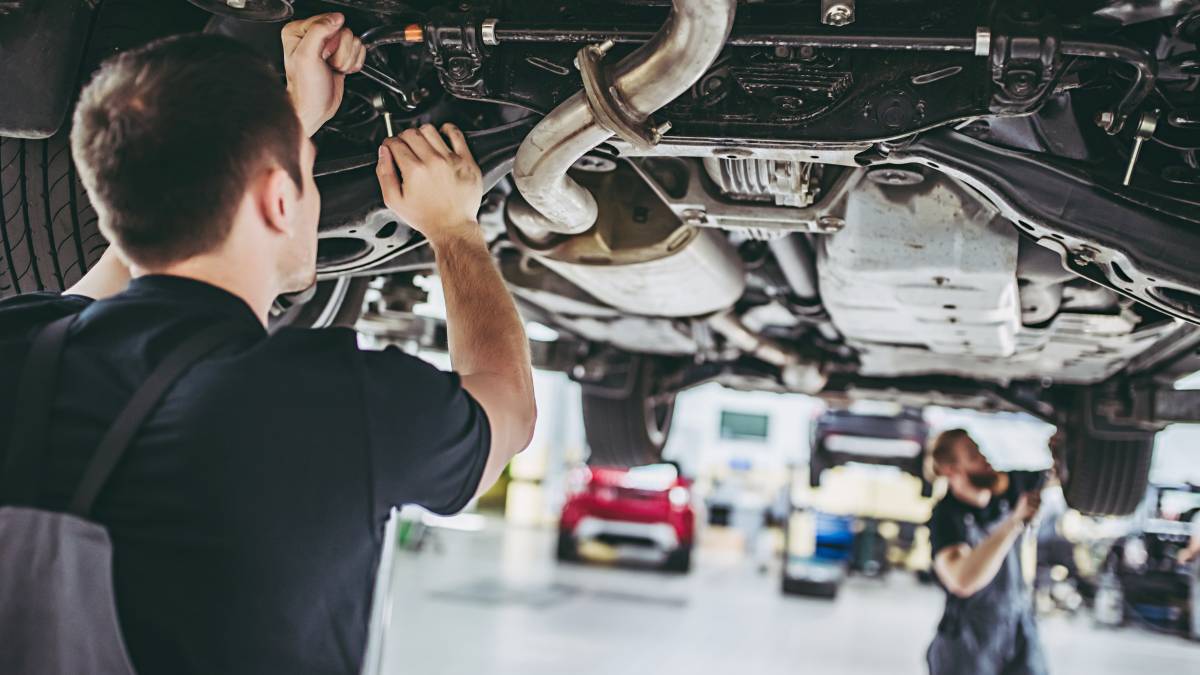
Hey there, fellow car lover! Ever wondered what actually happens to the harmful gases coming out of your exhaust? There’s a whole team of unsung heroes working under your vehicle to keep the air cleaner, and today, we’re shining a spotlight on two of the most important players — the diesel particulate filter DPF cleaning and the catalytic converter.
These crucial components help cut down nasty emissions and keep you road-legal, but they need some TLC, too. So buckle up — let’s dive in!
What is a DPF?
A DPF, or diesel particulate filter, is a high-tech trap for soot particles created during diesel combustion. Think of it like a super-fine colander that captures soot before it hits the air. Over time, though, it can get clogged, leading to some serious problems if ignored.
What is a Catalytic Converter?
The catalytic converter is another champion in your exhaust system. Its job? Converting harmful gases like carbon monoxide and nitrogen oxides into much safer compounds before they’re released. Essentially, it’s your car’s air purifier.
Understanding DPF Systems
How Does a DPF Work?
Imagine millions of microscopic holes catching all the soot that comes from burning diesel fuel. As exhaust passes through, these particles get stuck. Eventually, a process called “regeneration” burns them off, leaving your filter clean again — in theory. But things don’t always go smoothly.
Signs Your DPF Needs Cleaning
Here’s the deal — your DPF can only take so much before it needs a proper clean. Watch for these red flags:
- Reduced engine performance
- Dashboard warning lights
- Increased fuel consumption
- Excessive exhaust smoke
If any of those ring a bell, your DPF is crying for help!
Benefits of DPF Cleaning
Cleaning your DPF isn’t just about following the rules — it has legit benefits.
Improved Fuel Economy
A clogged DPF forces your engine to work harder, guzzling more fuel. A clean filter means your ride runs more efficiently.
Lower Emissions
Keeping your DPF squeaky clean helps your vehicle do its job of reducing harmful emissions. Mother Earth says thanks!
DPF Cleaning: Methods and Best Practices
Professional DPF Cleaning
Think of professional DPF cleaning like sending your filter to the spa. Technicians use specialized equipment to blast away stubborn soot and ash. It’s thorough and usually restores the filter to near-new condition.
DIY DPF Cleaning: Pros and Cons
Can you clean it yourself? Maybe — but there are pros and cons.
Pros
- Cheaper
- Convenient
Cons
- Risk of damage
- Less effective
- Could void warranties
Sometimes, paying a pro saves you a bigger headache down the road.
How Often Should You Clean a DPF?
This depends on how and where you drive. City driving clogs filters faster than highway cruising. Generally, experts recommend checking it every 75,000–100,000 miles, but your owner’s manual should be your guide.
Catalytic Converters Explained
What Does a Catalytic Converter Do?
Remember, this gadget’s main gig is transforming harmful exhaust gases into less harmful ones using a special chemical reaction. It’s basically a mini lab under your car!
Common Catalytic Converter Issues
Like any part, catalytic converters have their weak spots. The most common include:
- Internal blockages
- Overheating
- Physical damage from potholes or road debris
- Contamination from unburned fuel
Signs You Need a Catalytic Converter Replacement
Pay attention to these signals:
- Rotten egg smell (sulfur)
- Check engine light
- Sluggish acceleration
- Failed emissions test
If you see these, it might be time to think about a replacement.
Catalytic Converter Replacement: What to Know
Cost of Catalytic Converter Replacement
Ouch — Catalytic converter replacement aren’t cheap! You could pay anywhere from $800 to $2,500 depending on your car’s make and model. Hybrid vehicles often cost even more.
Can You Replace It Yourself?
In theory, yes — but you’d better know your stuff. Replacing a catalytic converter involves cutting, welding, and working with emissions sensors. If you’re not confident, leave it to a pro.
OEM vs Aftermarket Converters
Here’s a tip: OEM (original equipment manufacturer) parts will always match your car perfectly but tend to cost more. Aftermarket parts are cheaper but vary in quality. Think carefully before you buy.
How to Extend the Life of Your DPF and Catalytic Converter
Maintenance Tips
Want to save yourself some big repair bills? Keep these habits in mind:
- Use the correct oil
- Never ignore a warning light
- Drive at highway speeds occasionally to allow regeneration
- Schedule regular maintenance
Driving Habits That Help
Here’s a fun fact — short trips kill emission systems faster than long journeys. Try to give your engine a nice, long drive every so often. That allows the DPF to burn off soot and the catalytic converter to do its job properly.
Conclusion
When it comes down to it, your DPF and catalytic converter are the silent guardians of cleaner air and smoother rides. Respect them, look after them, and they’ll keep your car running at its best for years to come. Whether you’re investing in professional DPF cleaning or planning a catalytic converter replacement, always put quality and care first.
Your car — and the planet — will thank you.