


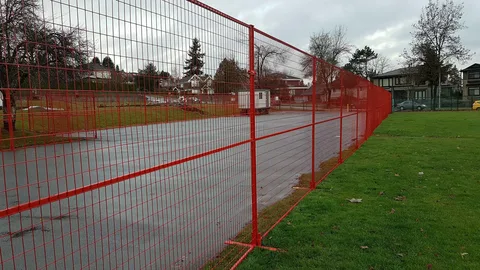
Creating a temporary fence can be a practical and creative solution for homeowners and gardeners. Whether you need to keep pets contained, protect plants, or mark off construction areas, there are many DIY Temporary Fence Ideas for Homes and Gardens that are both functional and visually appealing. This guide explores various options, materials, and tips to help you create a temporary fence that suits your needs.
Why Consider a Temporary Fence?
Temporary fences are ideal for situations where a permanent structure is unnecessary or impractical. Some common uses include:
- Protecting young plants in gardens from animals.
- Creating safe play areas for children.
- Defining event spaces for parties or outdoor gatherings.
- Providing a quick barrier during home renovations.
The flexibility of temporary fencing allows you to easily move or modify it as needed, making it a cost-effective solution for many homeowners.
Materials You Can Use
When it comes to DIY Temporary Fence Ideas for Homes and Gardens, the choice of materials is key. Some popular options include:
- Wooden Pallets: Easily sourced and sturdy, pallets can be repurposed into a rustic temporary fence.
- PVC Pipes and Mesh: Lightweight and weather-resistant, this option is ideal for garden areas.
- Chicken Wire: Perfect for small pets or garden protection, chicken wire is inexpensive and easy to work with.
- Metal Panels or Gates: Ideal for a more robust solution, especially if security is a concern.
Step-by-Step DIY Temporary Fence Ideas
1. Wooden Pallet Fence
- Arrange pallets side by side to form a barrier.
- Secure them using zip ties, screws, or stakes driven into the ground.
- Optional: Paint or stain the pallets to match your garden’s aesthetic.
2. PVC and Mesh Fence
- Insert PVC pipes vertically into the ground at regular intervals.
- Attach mesh or netting to the pipes using cable ties or clips.
- This lightweight option is ideal for protecting vegetable patches or flower beds.
3. Wire and Stake Fence
- Drive stakes into the ground at the desired distance.
- Stretch wire or chicken wire along the stakes and secure it tightly.
- Use clips or ties to reinforce the connection points for stability.
Tips for a Successful Temporary Fence
- Measure Before Installing: Ensure you know the area you want to cover to avoid gaps or insufficient coverage.
- Consider Mobility: If you might need to move the fence frequently, choose lightweight materials like PVC or mesh.
- Ensure Stability: Even temporary fences should be secure enough to withstand wind or animals.
- Blend with Your Environment: Use materials or paint that complement your garden or home exterior.
Conclusion
With a little creativity and the right materials, temporary fencing can be a practical and stylish addition to your property. From protecting gardens to creating safe zones for children or pets, these DIY Temporary Fence Ideas for Homes and Gardens offer flexibility, affordability, and ease of installation. Whether you opt for wooden pallets, PVC pipes, or wire fencing, you can design a solution that fits your space and your needs perfectly.
