


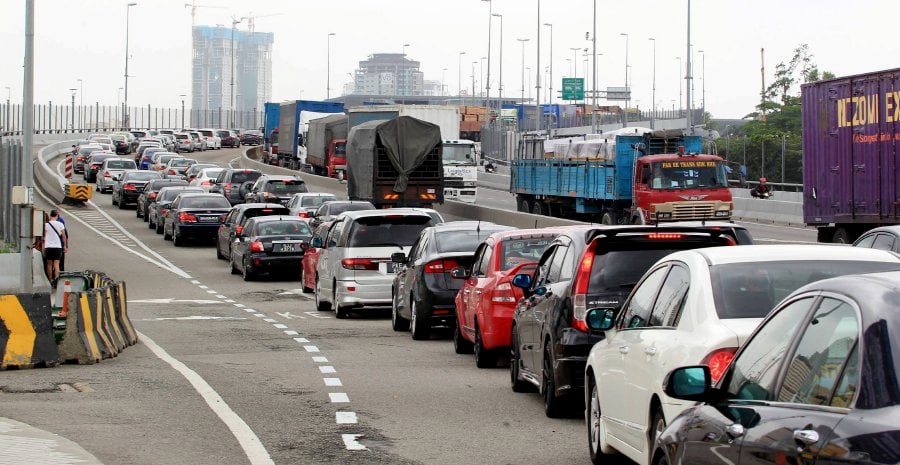
Crossing the Singapore–Malaysia border by road is a daily routine for thousands of commuters, tourists, and business travelers. While the journey itself may be short, the regulatory requirements behind it are detailed and constantly evolving. One of the most important systems vehicle owners must understand today is the Vehicle Entry Permit (VEP). This article explores how VEP works, why it exists, and how it shapes cross-border road travel between Singapore and Malaysia.
What Is the Vehicle Entry Permit (VEP)?
The Vehicle Entry Permit is a regulatory system designed to monitor and manage foreign-registered vehicles entering another country. In the context of Malaysia, VEP Malaysia applies primarily to foreign vehicles—especially Singapore-registered cars—entering Malaysian territory by road.
The system links a vehicle’s registration details to the driver’s identity and immigration records. It allows authorities to track entry, duration of stay, and compliance with road rules, toll payments, and outstanding penalties.
Why Malaysia Introduced VEP for Road Travelers
Malaysia introduced VEP as part of broader efforts to improve traffic management, road safety, and regulatory enforcement near border zones. The high volume of daily traffic from Singapore—particularly through the Johor–Singapore Causeway and Second Link—created challenges such as congestion, unpaid summonses, and untracked vehicle movements.
VEP Malaysia helps authorities:
-
Identify foreign vehicles accurately
-
Enforce traffic laws consistently
-
Reduce congestion caused by unregulated entries
-
Improve border security and data accuracy
Rather than restricting travel, the system aims to make cross-border movement more structured and transparent.
How VEP Malaysia Works in Practice
When a foreign vehicle enters Malaysia, its VEP status is checked electronically. Each registered vehicle is issued a unique RFID tag that is affixed to the car. This tag is scanned at checkpoints and toll points, allowing automated verification.
The system records:
-
Vehicle entry and exit dates
-
Duration of stay
-
Compliance with permitted entry periods
-
Outstanding fines or violations
Drivers who fail to comply with VEP requirements may face delays, fines, or denial of entry.
Key Road Entry Requirements for Singapore-Registered Vehicles
While VEP Malaysia is a core requirement, it is not the only condition drivers must meet when entering Malaysia by road. Travelers should ensure the following are in order:
Valid Vehicle Registration
The car must be legally registered in Singapore and not under any usage restrictions that prohibit cross-border travel.
Active Insurance Coverage
Motor insurance must cover driving in Malaysia. Many Singapore insurers provide cross-border coverage, but this must be confirmed in advance.
Road Tax and Vehicle Condition
The vehicle must have valid road tax and be in roadworthy condition. Authorities may deny entry to vehicles deemed unsafe.
Passport and Immigration Clearance
All occupants must meet Malaysian immigration requirements, including passport validity and entry permissions.
Common Challenges Faced by Drivers
Despite its benefits, VEP Malaysia can present challenges for first-time or infrequent travelers.
One common issue is delayed registration, where drivers attempt to enter Malaysia without completing VEP enrollment in advance. Others may face problems with improperly installed RFID tags or mismatched vehicle information.
Peak travel periods—such as weekends and public holidays—can also amplify delays if VEP compliance is incomplete.
VEP and Its Impact on Daily Commuters
For daily commuters traveling between Singapore and Johor, VEP has changed the rhythm of cross-border travel. While initial registration requires effort, compliant drivers often experience smoother crossings due to faster verification.
Over time, the system encourages better travel planning and reduces uncertainty at checkpoints. For frequent travelers, VEP Malaysia has become a standard part of vehicle ownership rather than an inconvenience.
Future of Cross-Border Road Travel
The implementation of VEP reflects a broader regional trend toward digital border management. As systems become more integrated, drivers can expect increased automation, reduced manual checks, and more predictable travel times.
Future enhancements may include tighter integration with toll systems, parking management, and traffic enforcement databases, making cross-border road travel more efficient but also more regulated.
Practical Tips for a Smooth Border Crossing
To avoid unnecessary delays, drivers should:
-
Register for VEP Malaysia well in advance
-
Ensure RFID tags are properly installed and functioning
-
Keep insurance and vehicle documents updated
-
Check travel timing to avoid peak congestion
-
Resolve any outstanding traffic fines promptly
Preparation remains the key to stress-free cross-border travel.
Conclusion
Driving between Singapore and Malaysia remains one of Southeast Asia’s busiest cross-border journeys. Systems like VEP are not barriers but tools designed to manage this movement more effectively. Understanding VEP Malaysia, complying with road entry requirements, and planning ahead can turn a potentially stressful border crossing into a smooth and predictable experience.
As regulations continue to evolve, informed drivers will always have the advantage—on both sides of the border.
