


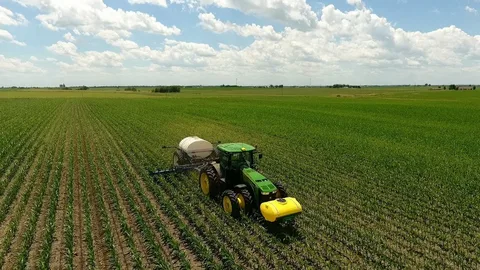
In modern farming, precision agriculture practices for optimizing resource use are transforming how farmers manage their fields. By leveraging technology and data-driven insights, these practices help increase crop yields, reduce waste, and promote sustainable farming.
What is Precision Agriculture?
Precision agriculture (PA) is an approach that uses advanced tools such as GPS, sensors, drones, and data analytics to monitor and manage crops more effectively. Unlike traditional farming methods, PA focuses on understanding variability within a field and applying resources like water, fertilizers, and pesticides only where and when they are needed.
Key Practices in Precision Agriculture
1. Soil and Crop Monitoring
One of the core precision agriculture practices for optimizing resource use is regular soil and crop monitoring. Sensors and satellite imagery provide real-time information on soil moisture, nutrient levels, and crop health. This data allows farmers to make informed decisions, avoiding overuse of water and fertilizers.
2. Variable Rate Technology (VRT)
Variable Rate Technology enables precise application of inputs. With VRT, fertilizers, pesticides, and irrigation can be tailored to specific zones in a field, ensuring resources are applied efficiently. This practice not only reduces costs but also minimizes environmental impact.
3. GPS-Guided Equipment
GPS-guided machinery ensures that planting, spraying, and harvesting are done with maximum accuracy. By reducing overlap and missed areas, GPS-guided equipment helps farmers save resources and improve overall productivity.
Benefits of Precision Agriculture
Implementing precision agriculture practices for optimizing resource use offers numerous benefits:
- Increased Efficiency: Resources are used more strategically, reducing waste.
- Higher Yields: Healthy crops and optimized inputs lead to better production.
- Environmental Sustainability: Reduced chemical runoff and water consumption protect ecosystems.
Future of Precision Agriculture
As technology advances, precision agriculture will become even more accessible and effective. Integration with AI, IoT, and robotics will allow farmers to make real-time decisions that maximize productivity while minimizing resource consumption. The continued adoption of precision agriculture practices for optimizing resource use will be critical for meeting global food demands sustainably.
