


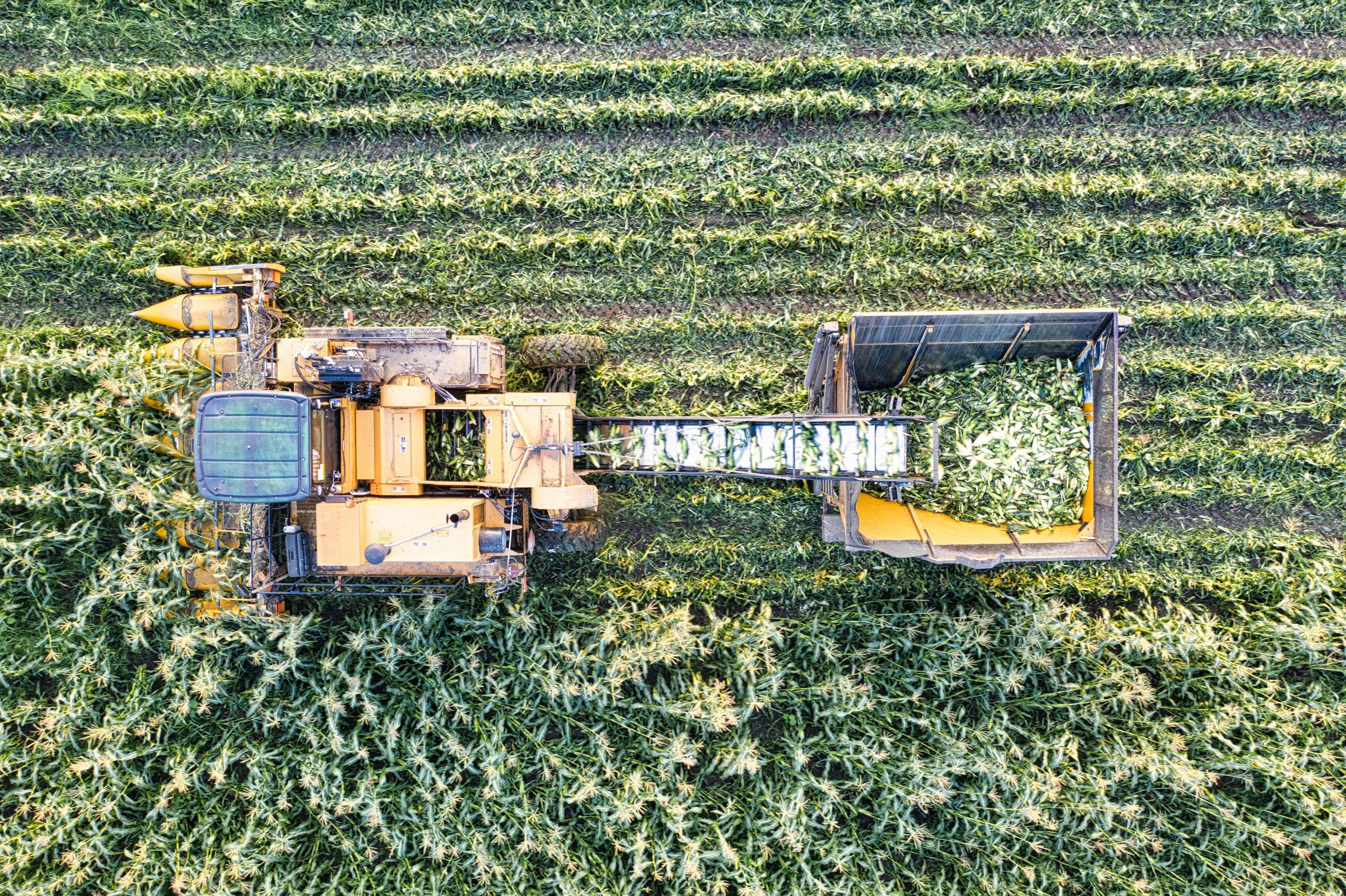
Sustainable agriculture has become an increasingly important topic as communities, producers, and policymakers look for ways to protect natural resources while maintaining a reliable food supply. At its core, sustainable agriculture focuses on practices that support environmental health, economic viability, and social responsibility. Rather than prioritizing short-term yields alone, it emphasizes long-term resilience for farms, ecosystems, and rural communities.
As climate variability, soil degradation, and water scarcity continue to challenge conventional farming systems, sustainable agriculture offers an approach that balances productivity with stewardship. By aligning farming practices with natural processes, this model aims to ensure that agriculture can meet current needs without compromising the needs of future generations.
Supporting Soil Health and Fertility
Healthy soil is the foundation of sustainable agriculture. Productive farmland depends on soil that can retain nutrients, manage water efficiently, and support beneficial microorganisms. Over time, intensive farming practices can erode soil structure and reduce organic matter, making fields more vulnerable to erosion and nutrient loss.
Sustainable approaches emphasize soil-building strategies that restore balance beneath the surface. Practices that encourage the accumulation of organic matter help improve soil structure and enhance water retention. As a result, crops become more resilient to drought and heavy rainfall. Discussions within agricultural communities, such as Lancaster Farming, often emphasize the importance of soil health as a crucial factor in long-term farm sustainability.
Conserving Water and Natural Resources
Water management is another central component of sustainable agriculture. Agriculture accounts for a significant share of freshwater use, making efficiency and conservation essential. Sustainable systems aim to reduce waste while ensuring crops receive adequate moisture during critical growth stages.
By aligning irrigation practices with crop needs and local conditions, farmers can reduce runoff and protect nearby waterways. In addition, preserving natural habitats around farmland supports biodiversity and helps maintain ecological balance. These efforts demonstrate how sustainable agriculture extends beyond individual fields to influence broader environmental systems.
Encouraging Biodiversity on Farms
Biodiversity plays an important role in creating resilient agricultural landscapes. Farms that support a variety of plant and animal species are often better equipped to withstand pests, diseases, and environmental stressors. Diverse ecosystems can reduce reliance on chemical inputs by promoting natural pest control and pollination.
Sustainable agriculture encourages practices that integrate biodiversity into everyday operations. Hedgerows, cover crops, and diversified crop rotations contribute to healthier ecosystems while supporting farm productivity. Over time, these measures help create balanced environments where agriculture and nature coexist.
Strengthening Economic Resilience for Farmers
Economic stability is a key pillar of sustainable agriculture. Farming operations must remain financially viable in order to continue investing in responsible practices. Sustainable systems often focus on efficiency, resource conservation, and long-term planning, which can help reduce input costs and financial risk.
By diversifying crops and production methods, farmers may be better positioned to adapt to market fluctuations and changing consumer preferences. Regional agricultural reporting often underscores how sustainable practices can support both farm income and community stability when approached strategically.
Supporting Community and Food Security
Sustainable agriculture also has important social dimensions. Local and regional food systems benefit when farms prioritize transparency, fairness, and community engagement. Strong connections between producers and consumers can enhance trust and promote awareness of how food is grown.
When agricultural systems are designed to be sustainable, they contribute to food security by maintaining consistent production over time. Communities that rely on resilient farming practices are better equipped to respond to disruptions, whether caused by economic shifts or environmental challenges. In this way, sustainable agriculture supports not only individual farms but also the broader food network.
Adapting to Climate Variability
Climate change has introduced new uncertainties into agricultural planning. Shifts in temperature, precipitation patterns, and extreme weather events pose ongoing challenges for farmers. Sustainable agriculture emphasizes adaptability, encouraging practices that help farms respond to these changes effectively.
Crop diversity, improved soil health, and efficient water use all contribute to climate resilience. Farms that adopt these principles are often better prepared to manage variability while maintaining productivity. As climate concerns continue to shape agricultural decision-making, sustainability remains a critical framework for adaptation.
Sustaining Agriculture For Generations Ahead
Sustainable agriculture represents a commitment to long-term thinking in food production. By prioritizing soil health, resource conservation, biodiversity, and community well-being, it offers a path forward that balances productivity with responsibility. Rather than focusing solely on immediate outcomes, sustainable agriculture considers the lasting impacts of farming decisions.
As challenges facing agriculture continue to evolve, sustainable practices provide a framework for resilience and continuity. Through informed choices and shared knowledge, agriculture can remain productive while preserving the natural systems that support it for generations to come.
