


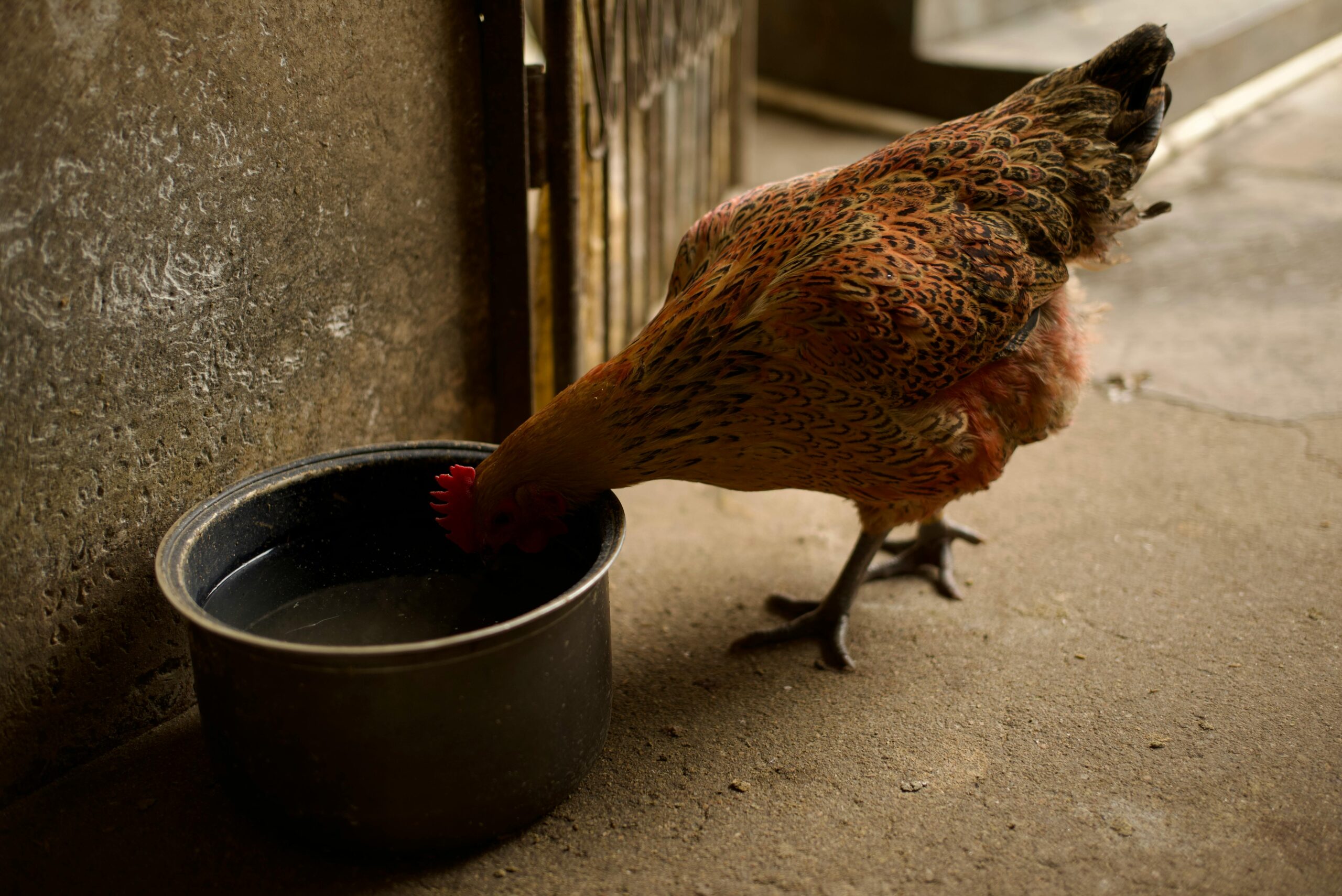
Maintaining flock health is a top priority in poultry production, especially in turkey farming, where disease can spread quickly if not properly managed. Among the various approaches used to support flock health, administering medication through water systems is one method that has been utilized in specific situations.
When used responsibly and under professional guidance, an antibiotic for turkeys’ drinking water can play a role in managing certain bacterial infections. However, it is equally important to balance treatment practices with responsible use to ensure long-term effectiveness and animal welfare.
Recognizing Common Health Challenges in Turkey Flocks
Turkeys, like other poultry, are susceptible to a range of bacterial infections that can affect respiratory health, digestion, and overall growth. Conditions such as bacterial enteritis or respiratory infections can spread rapidly within a flock, especially in densely populated environments. Early identification of symptoms is essential for preventing widespread issues and minimizing losses.
Producers often monitor changes in behavior, appetite, and water consumption as indicators of potential health concerns. When signs of illness appear, veterinary consultation becomes critical. In some cases, a veterinarian may recommend an antibiotic for the turkey’s drinking water as part of a broader treatment plan. This approach allows for efficient distribution of medication across the flock while ensuring consistent intake among affected birds.
Supporting Responsible Antibiotic Administration Practices
Responsible antibiotic use is a key component of modern poultry management. Overuse or misuse can contribute to antibiotic resistance, which poses risks not only to animal health but also to public health. Therefore, careful consideration is required before administering any medication.
When a veterinarian prescribes an antibiotic for turkeys’ drinking water, proper dosage, duration, and withdrawal periods must be strictly followed. Additionally, water systems should be properly calibrated to ensure accurate delivery. Clean water lines and consistent flow rates help maintain the effectiveness of treatment while reducing the risk of contamination. By adhering to these practices, producers can support both flock health and long-term sustainability.
Maintaining Water System Hygiene and Quality
Water quality plays a significant role in poultry health, regardless of whether medication is being administered. Clean, fresh water supports digestion, hydration, and overall well-being. Conversely, poor water quality can contribute to the spread of pathogens and reduce the effectiveness of treatments.
Before introducing any medication into the system, it is essential to ensure that water lines are clean and free from buildup. This helps prevent interactions that could reduce the potency of an antibiotic in turkeys’ drinking water. Regular maintenance, including flushing lines and monitoring pH levels, supports both treatment efficiency and general flock health. In addition, consistent sanitation practices help minimize the need for medical intervention in the first place.
Balancing Preventive Care and Treatment Strategies
While antibiotics can be useful in managing certain conditions, prevention remains the most effective strategy for maintaining flock health. Biosecurity measures, proper nutrition, and environmental management all contribute to reducing disease risk. By creating a clean and well-regulated environment, producers can limit the likelihood of outbreaks.
However, when illness does occur, timely intervention becomes necessary. In these cases, the use of an antibiotic for turkeys’ drinking water may be considered as part of a comprehensive treatment approach. It is important to view antibiotics as one component of a larger health management plan rather than a primary solution. This balanced perspective supports both immediate recovery and long-term resilience within the flock.
Considering Regulatory and Safety Guidelines
The use of antibiotics in livestock is subject to strict regulations to ensure food safety and public health. These guidelines vary by region but generally include requirements for veterinary oversight, approved medications, and withdrawal periods before processing. Compliance with these regulations is essential for maintaining consumer trust and meeting industry standards.
Producers must remain informed about current guidelines and ensure that any use of an antibiotic for turkey aligns with legal and ethical practices. Accurate record-keeping, including treatment dates and dosages, helps demonstrate compliance and supports traceability. By following these standards, producers contribute to a safer and more transparent food system.
Encouraging Sustainable Poultry Management Practices
Sustainability in poultry farming involves balancing productivity with responsible resource use and animal welfare. Reducing reliance on antibiotics through improved management practices is an important goal within the industry. This includes investing in better housing conditions, enhancing ventilation systems, and maintaining proper stocking densities.
In addition, ongoing education and training help producers stay informed about emerging best practices. While an antibiotic for turkeys’ drinking water may still be necessary in certain situations, its use should be guided by careful consideration and professional advice. Over time, a focus on prevention and sustainability can reduce the need for medical interventions and support healthier flocks.
Concluding Responsible Poultry Health Management
Effective poultry management requires a combination of prevention, monitoring, and responsible treatment strategies. While antibiotics administered through drinking water can serve a purpose in addressing specific health challenges, their use must be approached with caution and care. By prioritizing hygiene, following veterinary guidance, and adhering to regulatory standards, producers can maintain healthy flocks while supporting long-term sustainability.
Ultimately, the goal is to create a balanced system where animal health, food safety, and environmental responsibility work together. Through thoughtful practices and informed decision-making, poultry producers can navigate challenges while maintaining high standards of care.