


A furnace is designed to keep a home warm and comfortable, but fuel-burning heating systems also require careful attention to safety. Gas- and oil-burning furnaces can produce carbon monoxide (CO), an invisible and odorless gas that can become dangerous when combustion, ventilation, or exhaust systems are not functioning properly.
Understanding the connection between furnace problems and carbon monoxide can help homeowners recognize potentially serious issues before they become emergencies.
What Is Carbon Monoxide and Why Is It Dangerous?
Carbon monoxide is a colorless, odorless, poisonous gas produced when carbon-containing fuels burn. Because people cannot see or smell it, a dangerous buildup may occur without an obvious warning. Common symptoms of CO exposure include headaches, dizziness, weakness, nausea, vomiting, chest pain, and confusion.
Gas and oil furnaces are among the household appliances capable of producing CO. A properly functioning system should safely manage combustion gases and vent them outside. Problems with the equipment or ventilation can increase the risk of CO entering living spaces.
How Furnace Problems Can Increase CO Risks
Several furnace-related problems can potentially contribute to carbon monoxide concerns. Incomplete combustion, damaged components, blocked or improperly functioning vents, and other mechanical or installation problems can interfere with the safe removal of combustion gases.
A furnace that has not been properly maintained may also develop problems that affect its operation. This is one reason the CDC recommends having heating systems and other fuel-burning appliances serviced annually by a qualified technician.
Cracked or Damaged Furnace Components
Certain internal furnace components can deteriorate over time. Damage to a heat exchanger, for example, can become a significant safety concern because combustion gases and household air are intended to remain separated.
Homeowners should not attempt to inspect or repair potentially dangerous internal components themselves. If a furnace is showing unusual operating behavior, a qualified HVAC professional can evaluate the system and determine whether repairs are necessary.
Ventilation and Exhaust Problems
A furnace needs an appropriate pathway for combustion gases to leave the home. Blocked, damaged, disconnected, or improperly installed venting can interfere with this process.
Ventilation problems may be especially concerning because CO itself provides no reliable sensory warning. Professional inspection can help identify venting deficiencies and other conditions that could affect safe furnace operation. The CDC specifically advises homeowners to make sure fuel-burning appliances are properly vented.
Strange Furnace Behavior Should Not Be Ignored
A furnace that repeatedly shuts down, struggles to operate, produces unusual noises, or develops other unexpected problems deserves attention. These symptoms do not automatically mean carbon monoxide is present, but they can indicate that the heating system needs professional evaluation.
If a furnace is behaving differently from normal, scheduling furnace repair Orange County services can help identify mechanical or ventilation problems before the system continues operating with an unresolved fault.
Why Annual Furnace Maintenance Matters
Regular maintenance is an important part of reducing furnace-related safety risks. During a professional inspection, a qualified technician can examine relevant components, evaluate combustion and venting, and identify worn or damaged parts.
The CDC recommends annual servicing of heating systems, water heaters, and other gas-, oil-, or coal-burning appliances by qualified technicians.
Routine maintenance can also help homeowners discover smaller problems before they develop into more expensive repairs or leave the heating system operating inefficiently.
Install Carbon Monoxide Detectors
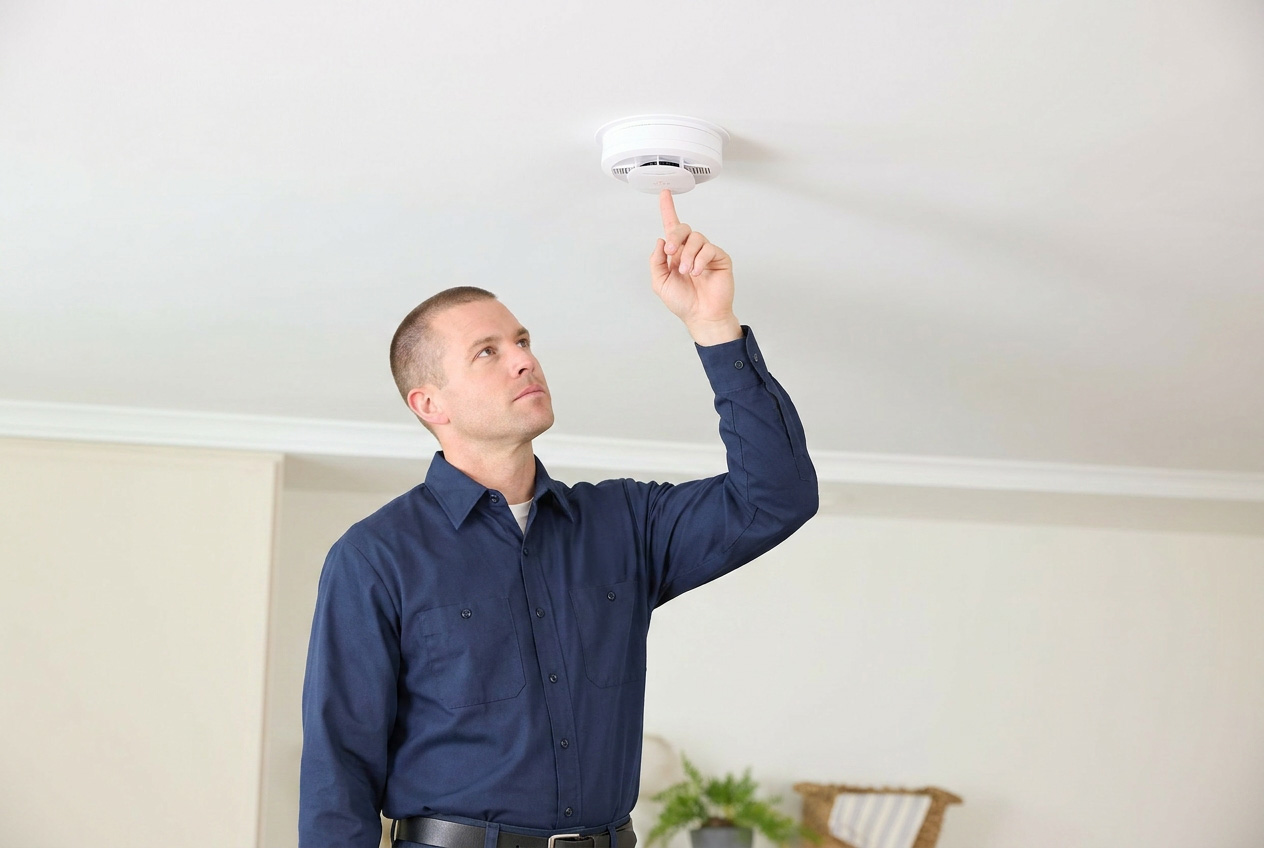
Every home with fuel-burning appliances should have functioning carbon monoxide detectors. The CDC recommends installing battery-operated or battery-backup CO detectors near sleeping areas and checking them regularly.
A detector is an important safety device, but it should not be considered a substitute for furnace maintenance. A detector provides an alarm when dangerous CO conditions are detected, while professional maintenance helps address equipment and ventilation problems that could contribute to those conditions.
What to Do If a CO Detector Sounds
A carbon monoxide alarm should always be treated seriously. If the detector sounds, leave the home and get into fresh air. Follow emergency guidance and contact 911 or the appropriate emergency service. The CDC also recommends seeking prompt medical attention when symptoms such as dizziness, nausea, or light-headedness occur and CO exposure is suspected.
Do not remain indoors simply because you cannot smell anything unusual. Carbon monoxide is specifically dangerous because it is odorless and colorless.
Symptoms That May Indicate CO Exposure
CO poisoning can resemble other illnesses, which can make it difficult to recognize. Possible symptoms include:
- Headache
- Dizziness
- Weakness or unusual fatigue
- Nausea or vomiting
- Chest pain
- Confusion
- Shortness of breath
- Loss of consciousness in severe cases
The CDC notes that people who are sleeping may die from CO exposure before they experience or recognize symptoms.
If several people in a household experience similar unexplained symptoms at the same time, especially while the furnace is operating, carbon monoxide exposure should be considered an emergency possibility.
Can Homeowners Repair a Furnace Themselves?
Simple homeowner tasks, such as replacing an appropriate air filter according to the manufacturer’s instructions, may be reasonable. However, combustion components, gas connections, electrical controls, heat exchangers, and venting systems require appropriate technical knowledge.
Attempting to repair these components without proper training can create additional safety risks. When a furnace has a serious operating problem, professional diagnosis is a safer approach.
Prevention Is Better Than Waiting for an Emergency
Homeowners can reduce furnace-related CO risks by combining several precautions: schedule annual professional maintenance, keep vents unobstructed, use properly functioning CO detectors, respond immediately to alarms, and address unusual furnace behavior promptly.
These measures are particularly important for households that depend on fuel-burning heating equipment throughout the year. A properly maintained furnace is not only about comfort—it is also an important part of household safety.
Final Thoughts
Carbon monoxide risks and furnace problems are connected primarily through combustion, ventilation, and the safe removal of exhaust gases. While not every furnace malfunction creates a CO hazard, unusual furnace operation should never be ignored.
Regular inspections, functional carbon monoxide detectors, and prompt professional repairs can help homeowners maintain a safer heating system. If a furnace is malfunctioning or showing signs of a potentially serious problem, qualified furnace repair Orange County professionals can assess the equipment and determine what needs to be repaired or serviced.