


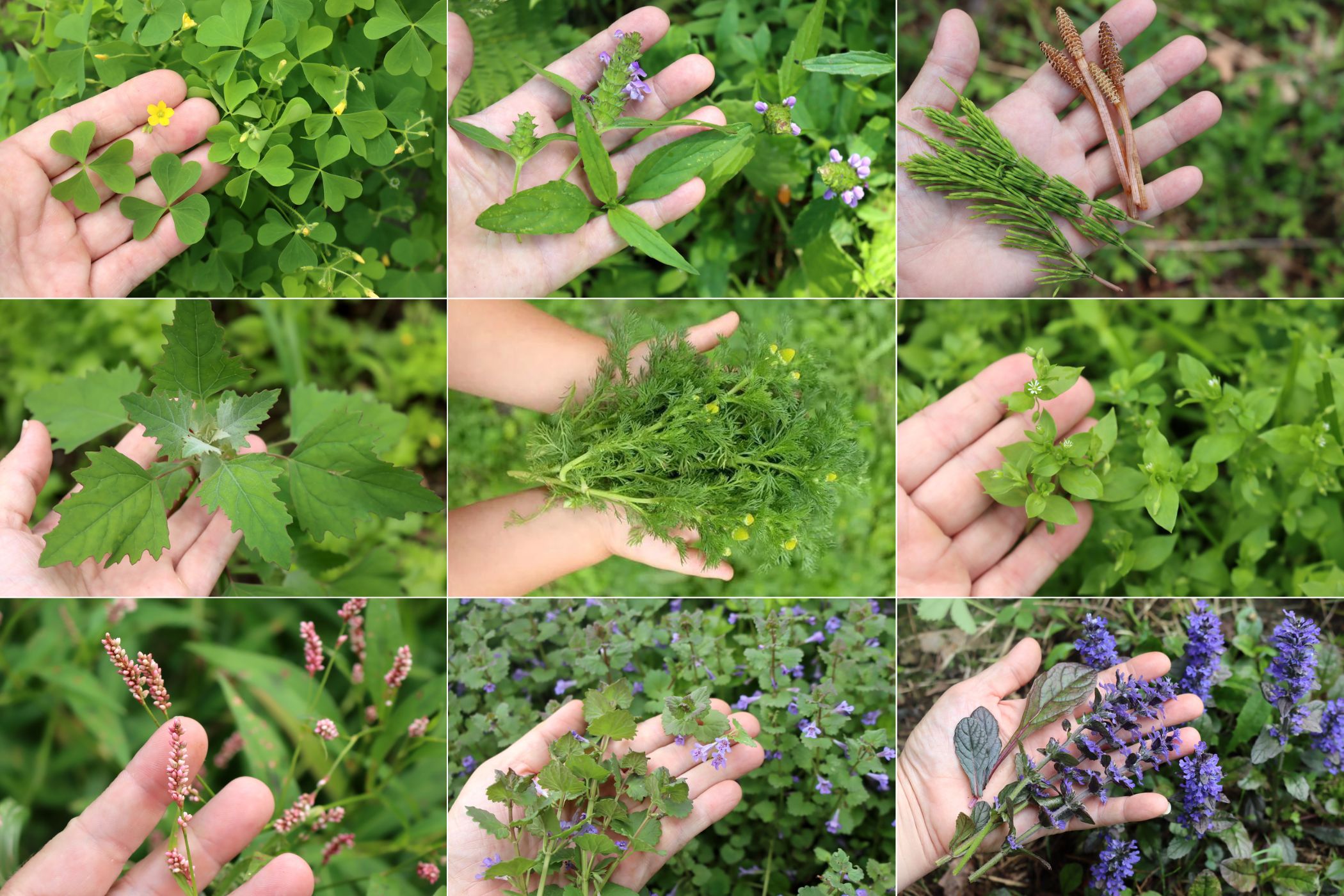
You might be surprised to learn that some of the plants you’ve been pulling out of your garden are actually packed with nutrients and flavor. These edible weeds are often overlooked, yet they’ve been used for centuries in traditional diets around the world. Instead of discarding them, you can turn these wild plants into healthy additions to your meals.
Below are ten common edible weeds you can find right in your yard—and start eating today.
1. Dandelion (Taraxacum officinale)
Dandelions are one of the most recognizable edible weeds. Every part of the plant is usable. The leaves are slightly bitter, similar to arugula, and work well in salads. The flowers can be used to make teas or even dandelion wine, while the roots are often roasted as a coffee substitute.
Rich in vitamins A, C, and K, dandelions are a nutritional powerhouse hiding in plain sight.
2. Purslane (Portulaca oleracea)
Purslane is a low-growing plant with thick, succulent leaves. It has a slightly tangy, lemony flavor and is one of the few plant sources rich in omega-3 fatty acids.
This edible weed can be eaten raw in salads, blended into smoothies, or lightly sautéed. Its crisp texture makes it a refreshing addition to summer dishes.
3. Chickweed (Stellaria media)
Chickweed is a delicate plant with small white flowers and tender leaves. It has a mild, slightly sweet taste, making it perfect for fresh salads or as a garnish.
As one of the gentler edible weeds, chickweed is also known for its soothing properties and is sometimes used in herbal remedies.
4. Lamb’s Quarters (Chenopodium album)
Often mistaken for a nuisance, lamb’s quarters are actually highly nutritious. The leaves taste similar to spinach and can be cooked in the same way—steamed, sautéed, or added to soups.
This edible weed is rich in calcium, iron, and protein, making it a valuable addition to your diet.
5. Plantain (Plantago major)
Not to be confused with the banana-like fruit, this plantain grows in lawns and pathways. Its broad leaves can be eaten raw when young or cooked when mature.
Among common edible weeds, plantain is also valued for its medicinal properties, especially for soothing insect bites and minor wounds.
6. Clover (Trifolium spp.)
Clover is easy to spot with its three-lobed leaves and small round flowers. Both the leaves and flowers are edible and can be used in salads or brewed into tea.
This edible weed is high in protein and adds a mild, slightly sweet flavor to dishes.
7. Wild Amaranth (Amaranthus spp.)
Wild amaranth, sometimes called pigweed, produces tender leaves that are delicious when cooked. The seeds are also edible and can be used like grains.
As one of the more versatile edible weeds, amaranth has been a staple in many ancient diets and continues to be valued for its high nutritional content.
8. Wood Sorrel (Oxalis spp.)
Wood sorrel has a distinct sour taste due to its oxalic acid content, giving it a lemon-like flavor. It’s great in small amounts in salads or as a garnish.
This edible weed adds a bright, tangy kick to your meals, but should be consumed in moderation.
9. Nettles (Urtica dioica)
Stinging nettles may seem intimidating, but once cooked, they lose their sting and become a delicious leafy green. They’re often used in soups, teas, and sautés.
Highly nutritious, this edible weed is rich in iron, calcium, and vitamins, making it a favorite among foragers.
10. Garlic Mustard (Alliaria petiolata)
Garlic mustard has heart-shaped leaves and a subtle garlic flavor. It can be used in pestos, salads, or cooked dishes.
This edible weed is particularly popular for its bold taste and versatility in the kitchen.
Final Thoughts
Nature often provides more than we realize. These edible weeds are not only easy to find but also packed with nutrients and unique flavors. By learning to पहचान (identify) and properly prepare them, you can transform your yard into a source of fresh, free food.
However, always make sure to correctly identify any plant before consuming it, and avoid areas treated with pesticides or chemicals. With a bit of knowledge, these humble plants can become valuable ingredients in your everyday meals.